Scaling AI Static Ads in 2026
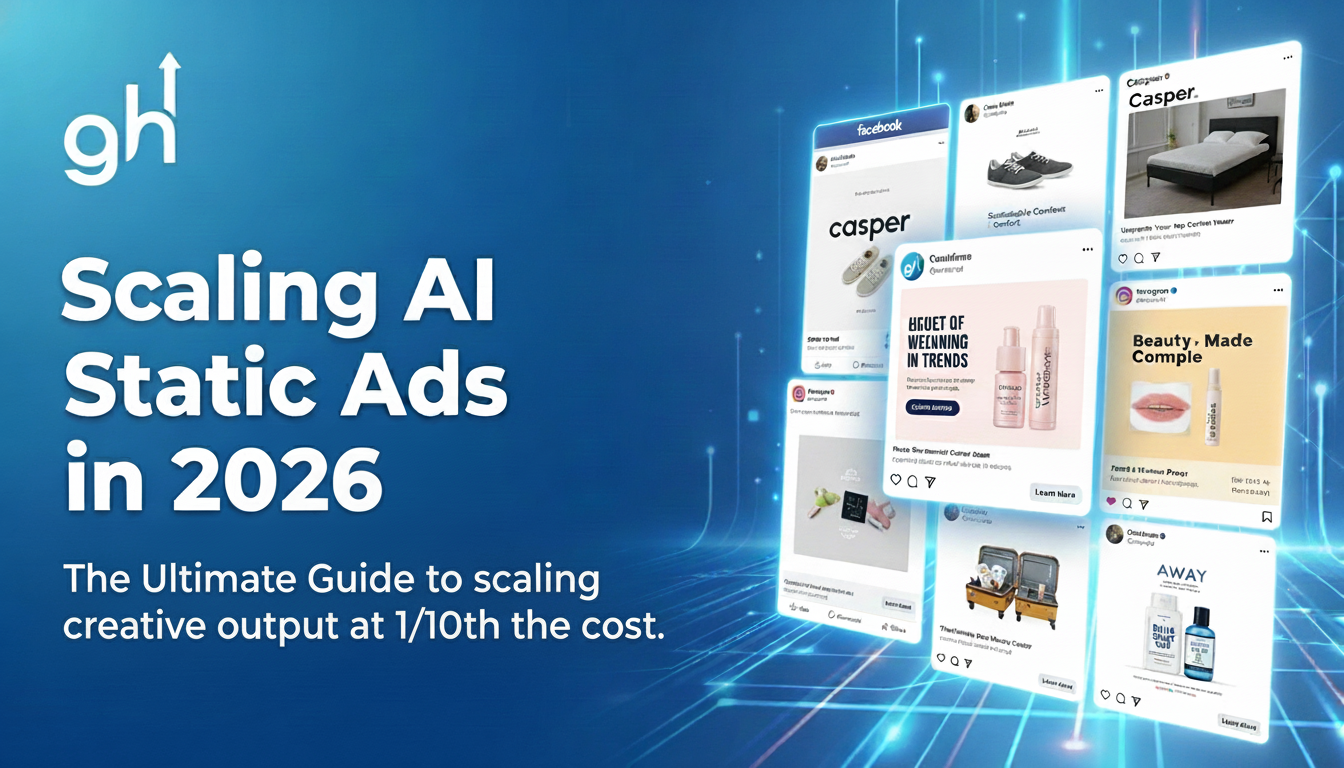
Static ads provide quick and efficient ways to test ideas and iterate faster than video ads, making them the perfect tool to explore angles before investing heavily in video production. Combine our tactical Playbook layouts with the 5-step prompting logic that helped a client scale to $100k/month.
Three Problems Most Brands Face
Not Enough Ads (Low Volume)
Unless you are making around $100M a year, traffic will always be your biggest bottleneck. More Ads = Traffic = Scale
Low Quality of Ads (Poor Execution)
Even when brands manage to produce ads, they lack quality. Low-quality ads don’t resonate, leading to wasted ad spend and missed opportunities.
Perceived Lack of Budget (Misconception)
Brands believe they need a huge budget to produce effective ads. The truth? You don’t.
The Power of Statics
One of our health & wellness clients, was struggling to scale their ad account with video ads.
We decided to switch things up and focus on static ads instead.
This allowed us to quickly test different angles and messaging found in our research process.
The result? We helped them scale to This $100k/mo using the Competitor Ad Cloning & proven prompts from the Growthub Playbook, and one of those static ads alone ended up taking 20% of their total ad spend while staying super profitable.
It just goes to show how effective and efficient static ads can be when you know how to use them right.

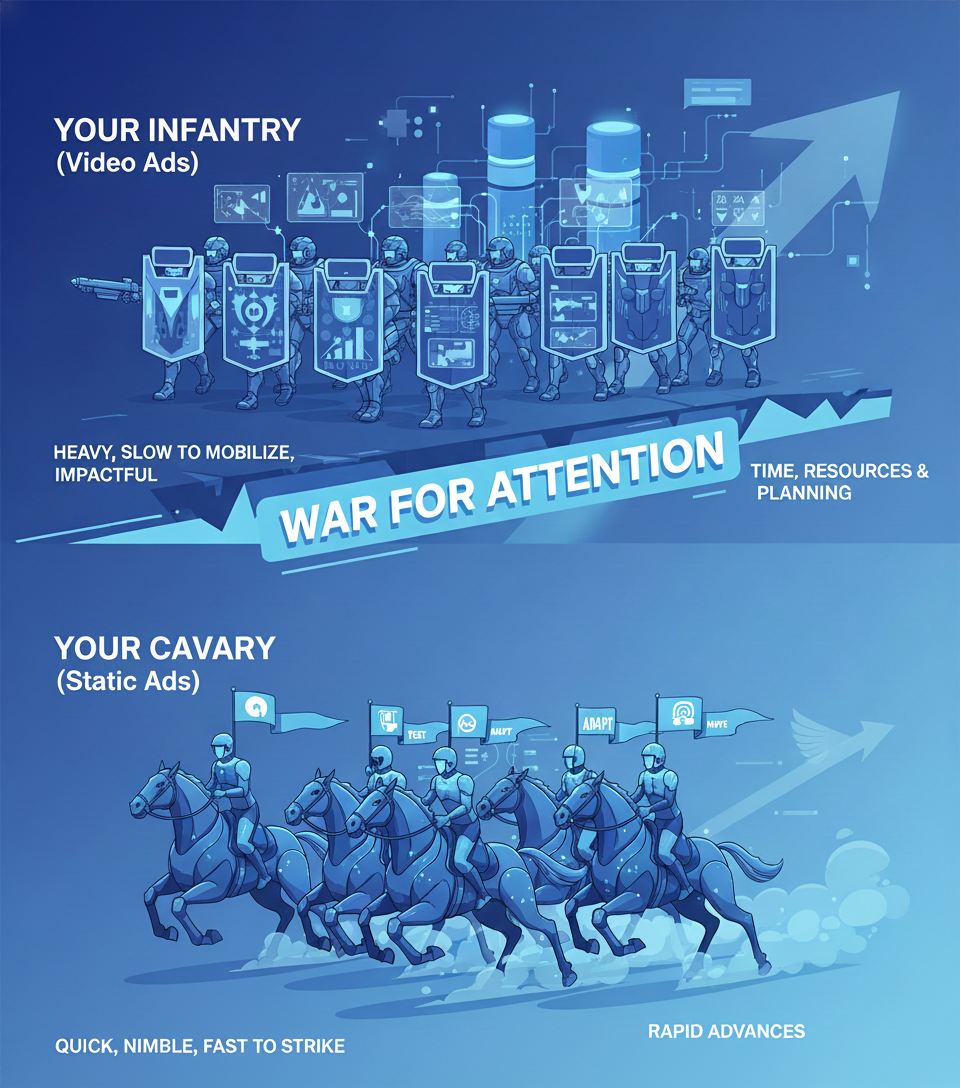
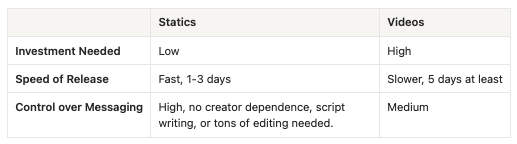
Static ads provide quick and efficient ways to test ideas and iterate faster than video ads, making them the perfect tool to explore angles before investing heavily in video production.
Creating Headlines
Your headlines are your hooks.
It is the most powerful control lever you have when building an ad.
You can have a great headline paired with a mediocre ad and still achieve positive results.
But, a weak headline with an otherwise strong ad will not perform as good.
In the war for attention your headline or hook, is the first thing that will stop the scroll.
A compelling headline has three essential elements:
1️⃣ Calls Out Your Ideal Audience: Directly addresses the specific group you want to reach.
2️⃣ Implies a Benefit: Suggests a clear advantage or positive outcome for the viewer.
3️⃣ Drives Curiosity: Sparks interest that compels the viewer to learn more.
Core Principles of High-Performing Statics
Prioritize Emotional Imagery
👉 Choose images that instantly convey emotion.
👉 Make sure emotional resonance aligns with brand message.
Use Colors That Stand Out
👉 Avoid blending into the platform's dominant colors (e.g., blue on Facebook).
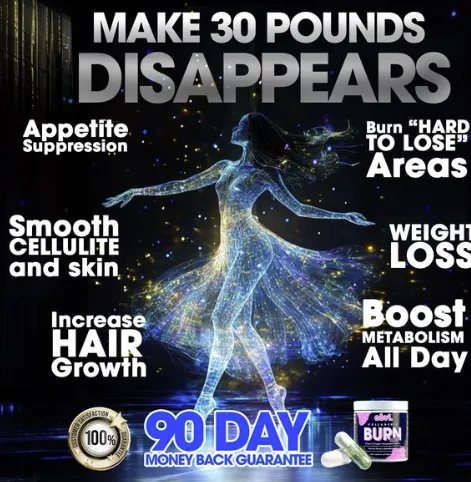
👉 Use bold colors like pink, yellow, or neon that pop visually.
Choose Copy Strategy: Heavy vs Minimalist
👉 Copy-Heavy statics for complex offers.
👉 Minimalist statics for quick emotional hits.

Strategic Layout and Readability
👉 Clear visual hierarchy: Headline > Image > Bullet points > CTA
👉 Whitespace matters. Crowded statics get scrolled past.
👉 Font must be easily legible across devices.
Avoid Common Mistakes
👉 Misaligned Messaging: Image and copy must tell the same story.
👉 Overusing Brand Colors: Always prioritize stand-out colors first.
👉 Ignoring Emotional Depth: Surface-level messaging does not stick.
If you do not master these basics, AI cannot save you. Garbage in equals garbage out.
Key Psychological Principles
Human decision-making is predominantly emotional, with 95% of decisions from the subconscious mind. Effective static ads prioritize emotional resonance over purely tactical elements like pricing or features.
Emotional Imagery: Images are processed 60,000 times faster than text. Use visuals that immediately convey the desired emotion.
Humor: Universally understood and appreciated, humor can create a satisfying emotional connection, making your ad more memorable.
Image Prompts Work Best When...
👉 You start with a product that already looks good
👉 You give extremely specific formatting requests
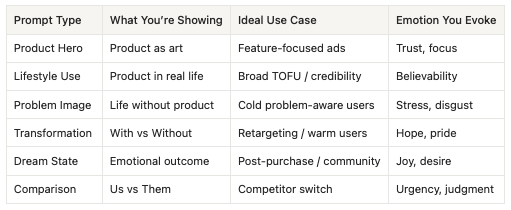
👉 You know your desired use-case: hero image, comparison, lifestyle, benefit-led
Let’s walk you through it.
Part 1: Prompting Frameworks
“I’m creating a static ad for [PRODUCT]. Generate a product image that features:
[EXACT CAN/PRODUCT FORMAT]
[STYLING]
[BACKGROUND/ENVIRONMENT]
[SPACE FOR COPY]
[EMOTION OR TONE]”
Part 2: Variants You Should Always Request
Always Generate These 4 Variants
For every product:
1. Clean product hero (studio-style)
2. Lifestyle setup (product in use or context)
3. Before/after format
4. "Us vs. Them" comparison format
5. Timeline Statics
Part 3: Layout & Design Intent
Ask for Strategic Whitespace
“Zoom out. Leave space at the top for a headline, bottom for CTA, and sides for 3 bullet points. Don’t crop the product.”
This is the most common mistake AI makes. Be specific.
Ask for Correct Dimensions & Ratios
“Keep product size proportional to this reference image I’m uploading. The can should look elongated, not stubby. Product should be vertically centered.”
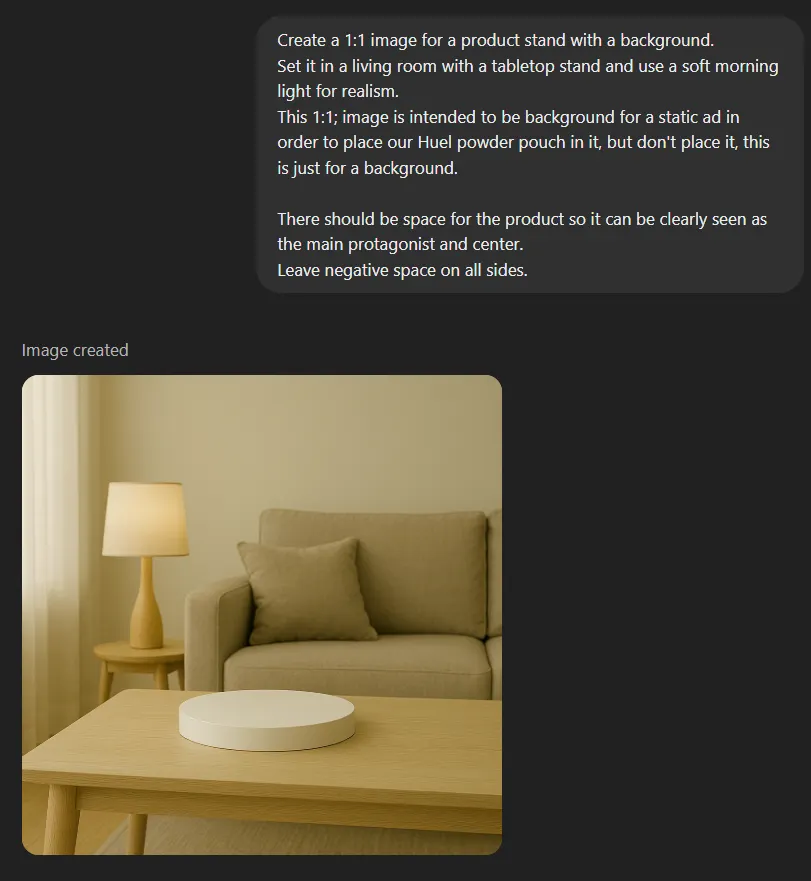
Part 4: Backgrounds (Set the Tone Visually)
Prompt Template
Create a [ASPECT RATIO] image of a product stand with a background set in [PLACE] that conveys [MOOD/EMOTION].
Set it in a [ROOM/SETTING] with [DESCRIPTIVE PROPS] and use [LIGHT TYPE] for realism.
This 1:1 image is intended to be background for a static ad in order to [PLACEMENT]
Leave space for [TEXT LOCATION IF NEEDED].
Part 5: Product in Action (Show it Doing Its Job)
Product in action shots are great, but be careful because labels may get f-ed here.
Imagine the moment your customer is using your solution and show it in your static ad.
🔧 Prompt Template
Create a [ASPECT RATIO] image that shows [USER TYPE] in the middle of [ACTION THAT USES PRODUCT].
The product should appear active or in transition — [VERB]ing, [VERB]ed, mid-[ACTION].
Lighting and background should support the motion, not distract.
Final Phase Prompting Guide:
Ask These 5 Questions First (Every Time)
1. What’s the core angle or belief behind this static ad concept?
→ Example: “Other drinks lie about their ingredients.”
2. Who is this ad targeting?
3. What do I want them to feel when they see this?
4. What story does the image need to tell, instantly?
→ “This is the better option.”
→ “You’ve been doing it wrong.”
→ “This is the solution you didn’t know existed.”
5. What visual elements will help tell that story?
→ A tired mom? A glowing man in a mirror? A chaotic counter? A dreamy kitchen?
For more winning prompts to use check out the full Growthub Playbook filled with frozen winning prompts, we are constantly updating and refining this!
TL;DR
This article explores the power of AI static ads in 2026, addressing common challenges brands face and offering strategies to scale effectively. Learn how static ads can outperform video ads and how to design compelling headlines that capture attention.
FAQ
What advantages do AI static ads offer?
AI static ads provide quick testing of various concepts and flexibility, allowing brands to optimize their messaging without heavy investment.
How do static ads compare to video ads?
Static ads are generally quicker and more cost-effective to produce, allowing for rapid iteration and testing of different approaches.
What are the common problems brands face with ads?
Brands often struggle with low ad volume, poor execution quality, and misconceptions about requiring large budgets to create effective ads.
What should be included in a compelling headline?
A good headline should address the ideal audience, imply a benefit, and drive curiosity to entice viewers to engage further.
Which colors are best for static ads?
Bright and bold colors like pink, yellow, or neon tend to stand out better against dominant platform colors and capture attention.
How do emotional images enhance ad performance?
Emotional imagery connects with viewers on a deeper level, aligning with brand messaging and increasing the chances of engagement.
What is the suggested copy strategy for static ads?
For complex offers, use a copy-heavy approach; for quick hits, opt for minimalist designs that convey emotion rapidly.
Can brands succeed with a low budget?
Yes, effective static ads can be created with limited budgets by focusing on creativity and strategic targeting.
How can one measure the success of static ads?
Success can be gauged through metrics like click-through rates, conversion rates, and overall return on ad spend.
When should brands invest in video ads?
Brands should consider investing in video ads after validating concepts with static ads and identifying successful messaging.
Join our newsletter
Get the latest updates and insights delivered to your inbox.